How to Build a Boom Car
Seeing what a crowd draw the SPL events always are I was inspired to write today's article. Here's a basic overview of what it takes to build an SPL monster.
Watts and Amps
You're going to need power and lots of it. Both in terms of amplifier power and electrical power. If you're competing, read the rule book and see what power class you want to be in and what modifications to your vehicle are allowed or required to compete. Once you're in the 1,000 watt plus class you'll definitely want to see if your charging system is up to the challenge. Some vehicles have very large alternators while others barely power the factory accessories. If you need a larger alternator look for one from the vehicle manufacturer or aftermarket models from companies like Ohio Generator, Stinger or one of the many other manufacturers for high output models.
Woofers and Enclosures
The norm in boom cars is to stuff as many woofers into the vehicle as possible. This increases the overall sensitivity of your system and also makes sure you have something that will handle all of the power. Some cars will stray from this and only have a few woofers that handle a lot of power. Then they put these woofers into a very small vehicle to increase the cabin gain for some extra decibels. (As a vehicle size decreases the lower frequency output increases).
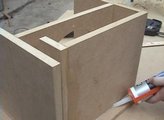
The enclosure type most often used for a boom car is the sealed enclosure. This workhorse will keep the woofer from becoming unstable like it might in a ported enclosure. Sealed enclosures are also smaller than vented enclosures for the same woofer. This allows the designer to stuff more woofers into the same cabin space.
Keep the Sound In
With all of the decibels (pressure) the system is producing a lot of it wants to escape into the lower pressure environment outside the vehicle. This is why you'll see competitors pushing in on their doors to keep as much pressure inside the vehicle as possible (if the competition allows that). In the more extreme competition classes the windshield and side windows will often be replaced with thick Plexiglas to eliminate the pressure release and breakage of regular glass. Any sound that is escaping the vehicle will be lost decibels and points.
Keep the Noise Out
Along the same lines is panel vibration. This includes such things as side panels, doors and hatchbacks. When these items vibrate they release pressure and you lose decibels. You'll want to brace these panels and treat them with damping materials that can be in the form of a sheet, liquid or spray that is applied to the panels. Many companies offer these products and the most well known product is Dynamat. Taking care of the vibrations will increase your SPL and eliminate the cheesy sounding rattle a car makes when the bass kicks in.
That's the basic version of what goes into a boom car. Lots of power and woofers with a structurally sound vehicle. If you plan on building a high SPL vehicle make sure you wear adequate hearing protection when testing the output. Even brief exposure to extremely high decibels can cause permanent hearing damage.
You should also check out Advanced Enclosure Design and Fabrication. It covers designing enclosures using free computer software, maximizing the output of a subwoofer system, building the box like a pro and testing the output using inexpensive equipment. Click here.
Back to the Newsletter Archives Index